

The People Behind Bangladesh’s Bricks
A photographic essay
The day we photographed in the brickyard, it was cold and a light, misty fog hung over what should have been blue sky and sunshine, certainly not ideal for making bricks or making photographs. Photography is all about light, and on this day there was almost none. In fact, it was so dreary that few workers were on the site.
What I want to share with you is not a story about the weather. It is about the brick-making industry, but mainly I want to tell you about the people involved.
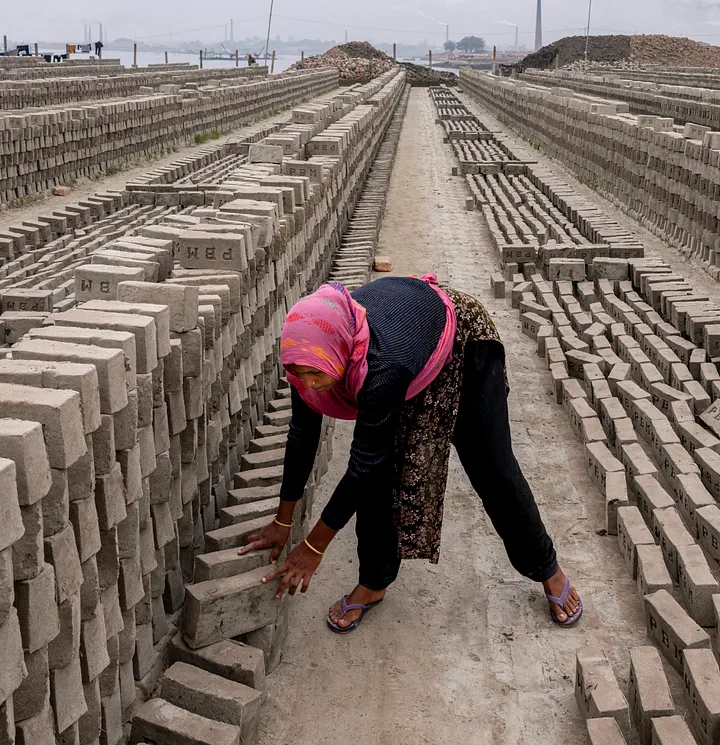
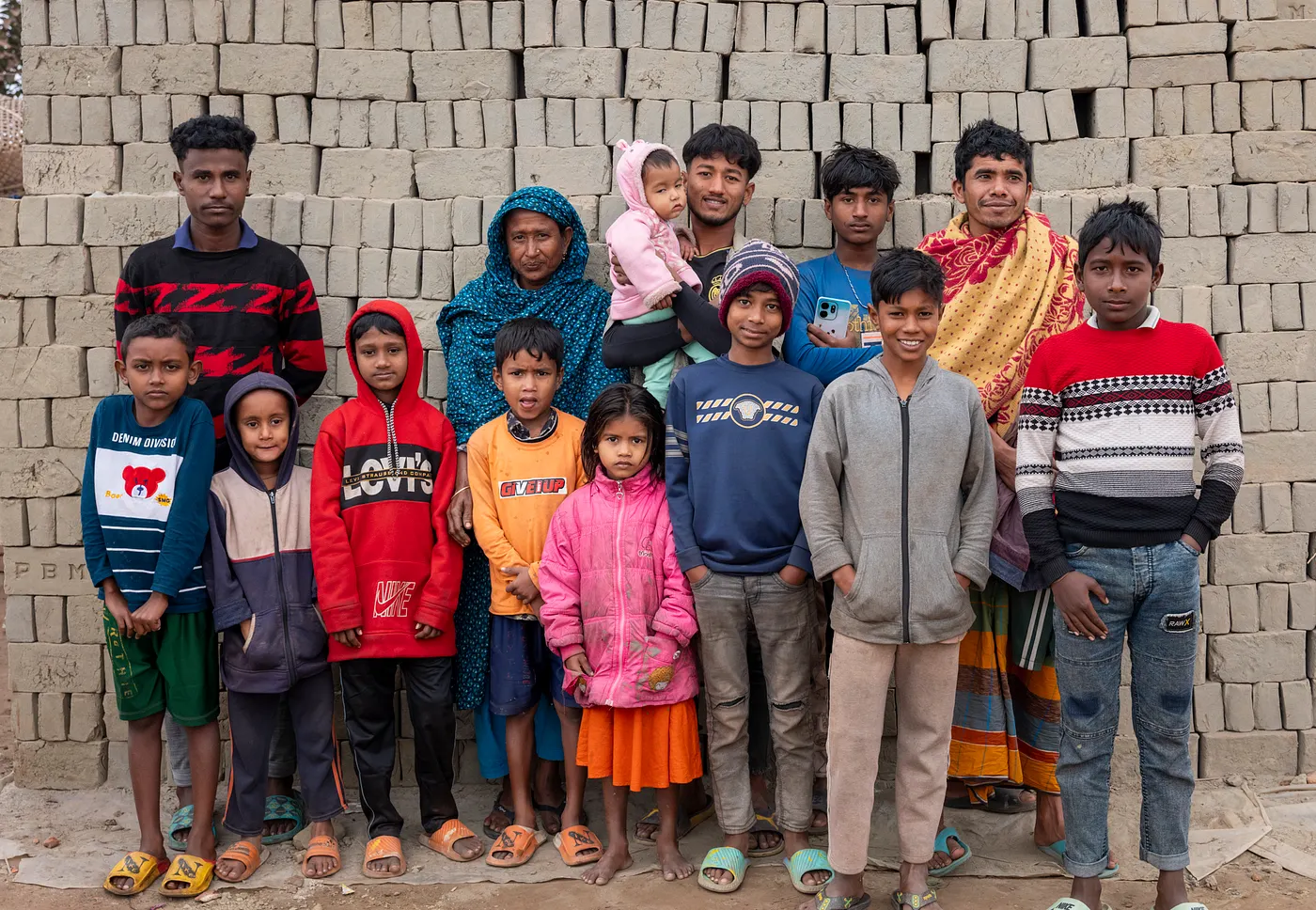
As you know, my photographic interests are almost always about people. I hope my photographs allow the viewer to see beyond the working conditions in the brickyard and find something in the faces. I don’t want to sensationalize the difficult conditions these people endure. Instead, I want you to look at their expressions. Can you see dignity? What stories do their eyes tell you?
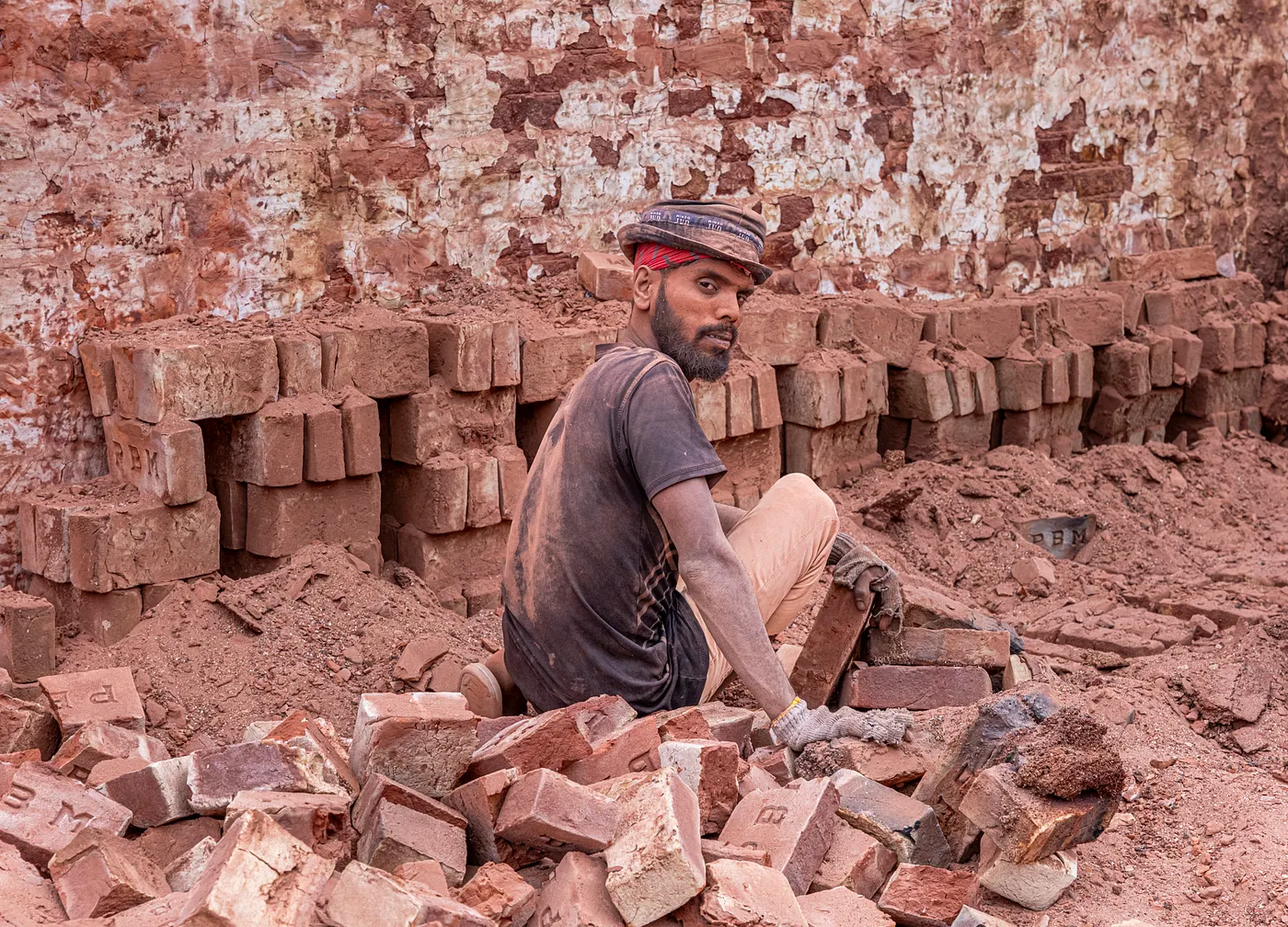
At the same time, context is important, so here are some hard facts about the brick industry in Bangladesh, one of the world’s largest brick-producing countries. Brick remains fundamental to Bangladesh’s construction industry, while many other countries rely more heavily on concrete blocks and other materials. Nearly 8,000 traditional kilns supply more than 90 percent of the country’s domestic brick consumption.
Much of the production is labor-intensive. People mold the clay, move the unfired bricks, fire them and carry the finished bricks by hand, as you will see in my photographs.
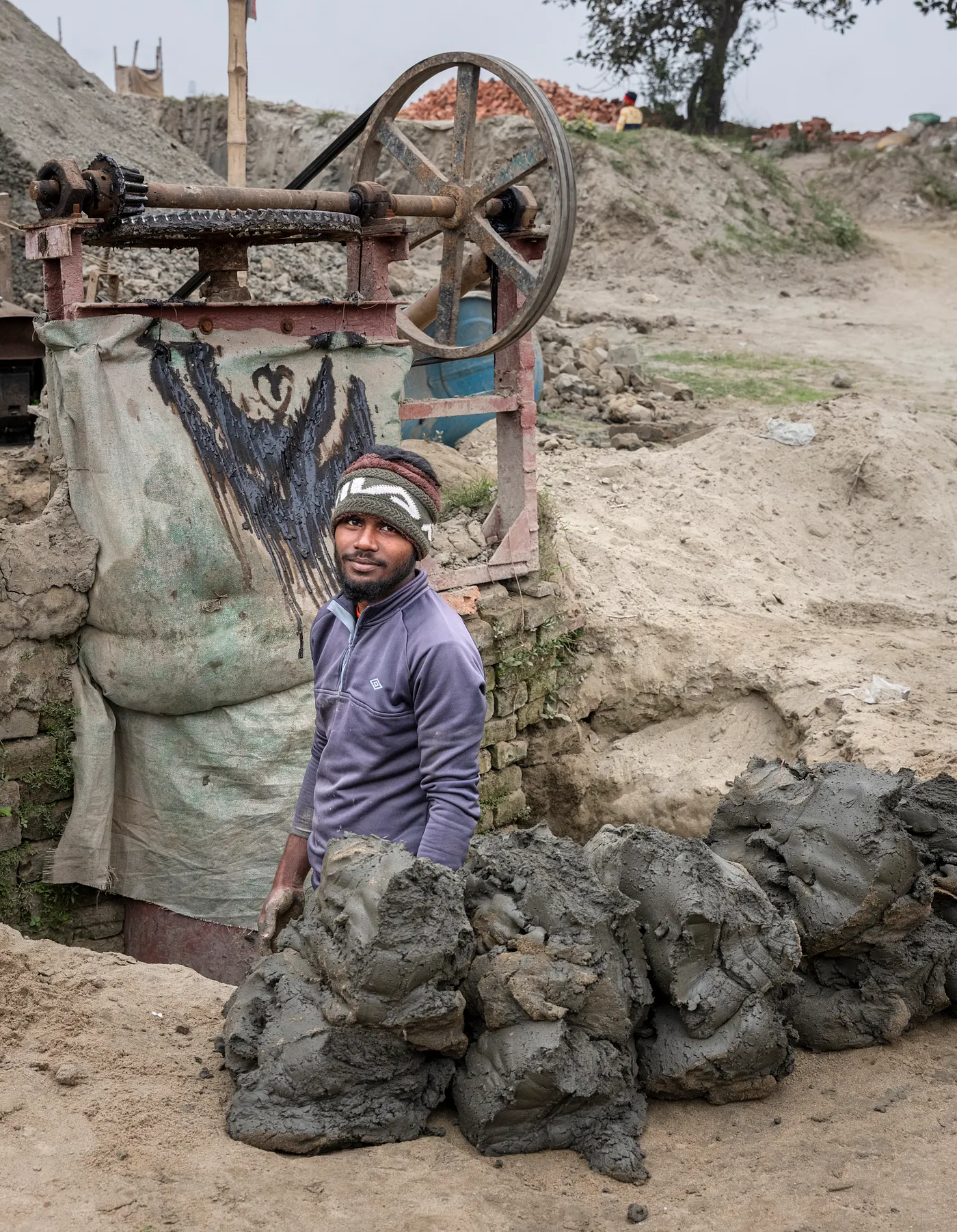
It is largely seasonal work. Kilns generally operate during the dry months from November through April because the monsoons make traditional brick production extremely difficult. Mud doesn’t dry well in wet weather. For many workers, this means only about six months of employment in the brick industry.
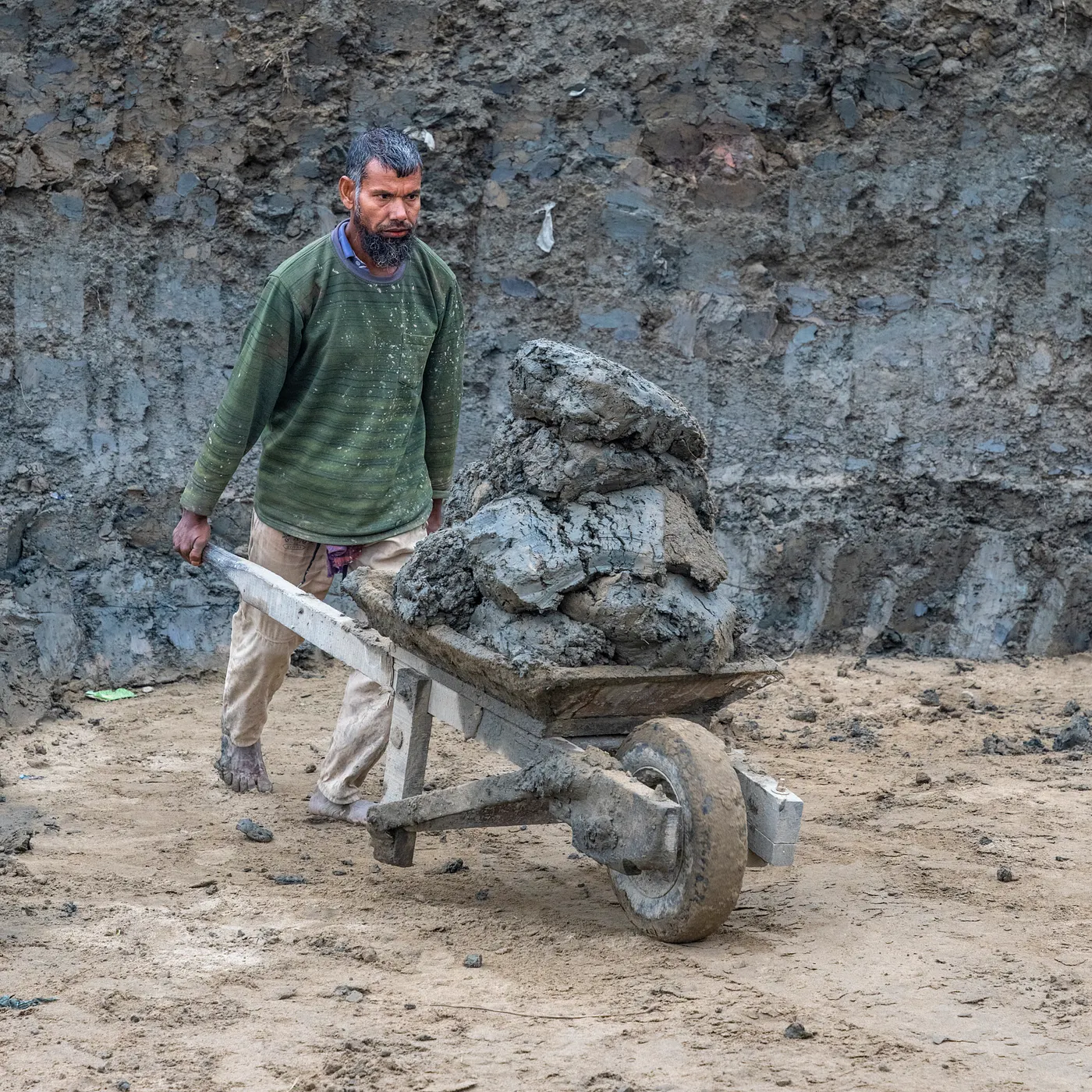
The environmental consequences are also significant. Brick kilns contribute to Bangladesh’s severe air pollution, although they are only one of several sources. The skies were overcast on the day I was there, and smoke and fine dust from the brickyard added to the haze.
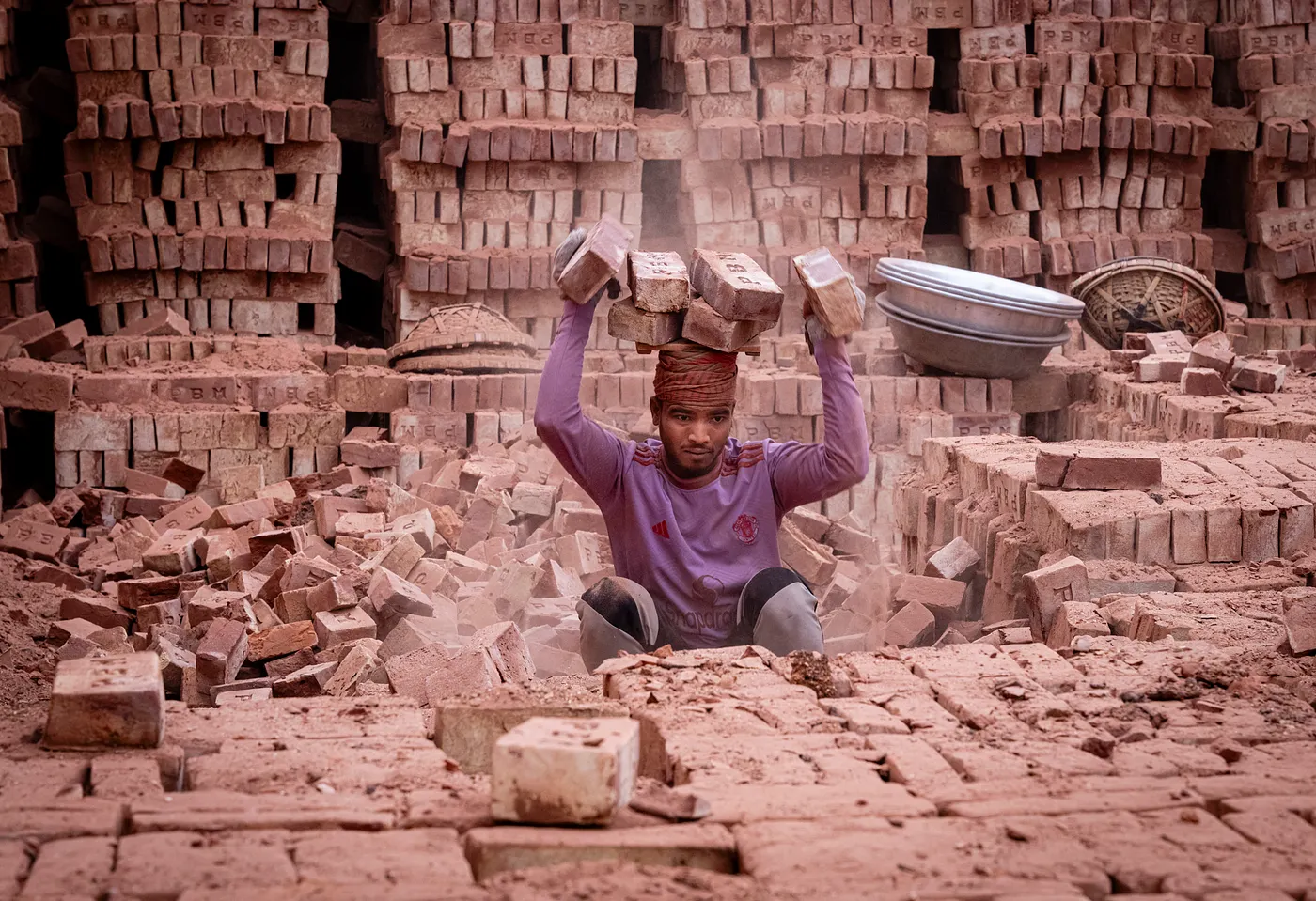
Workers frequently come through a labor-recruitment system involving intermediaries called sardars . They may receive advances before the season begins and then work to repay the debt. This system can leave workers vulnerable to mounting debt and, in some cases, exploitative or forced labor.
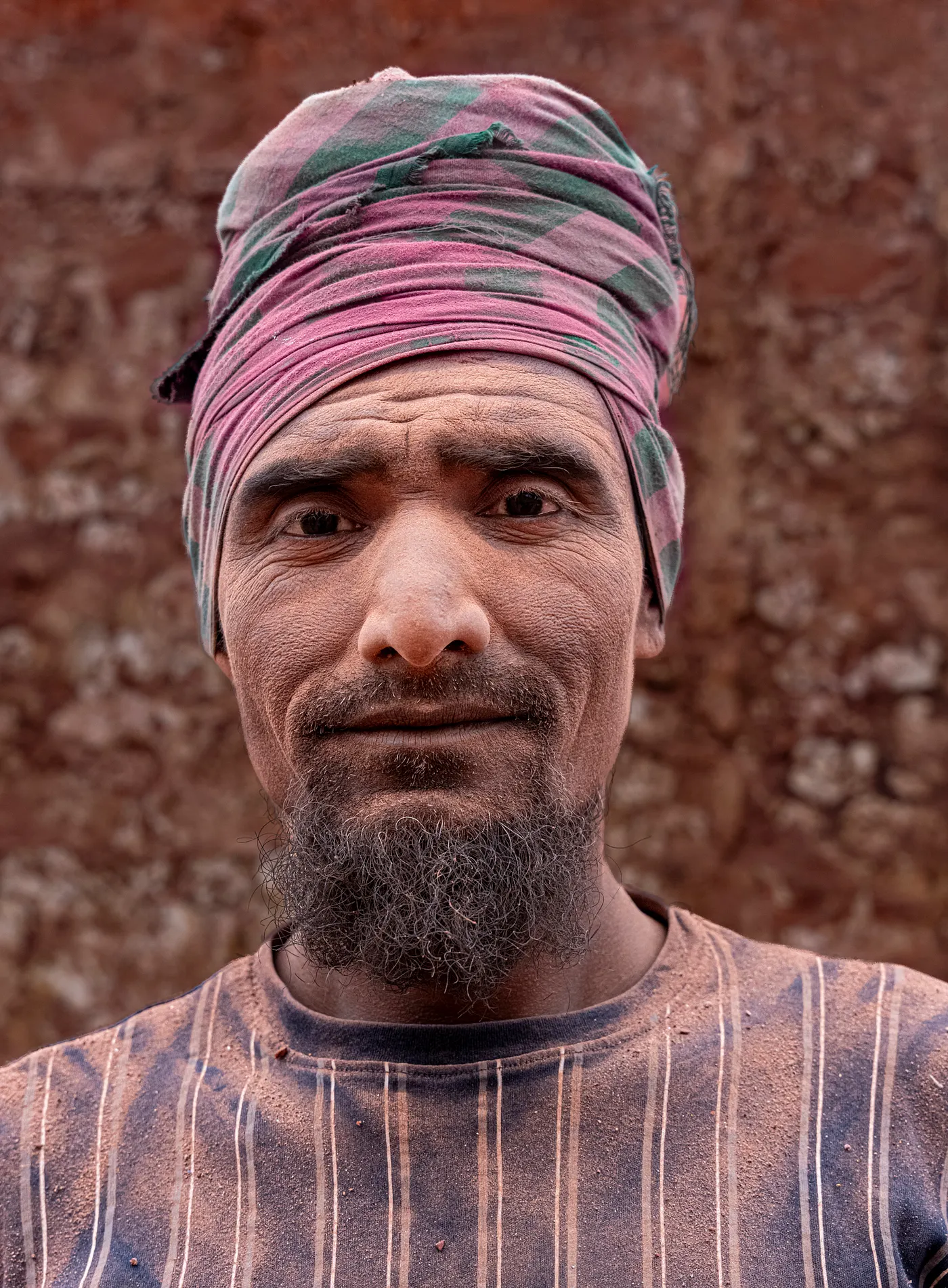
Many of the workers have had little formal education and few employment opportunities. The work is extraordinarily physical. Day after day, they lift, carry, stack and move tremendous quantities of clay and brick, almost entirely by hand.
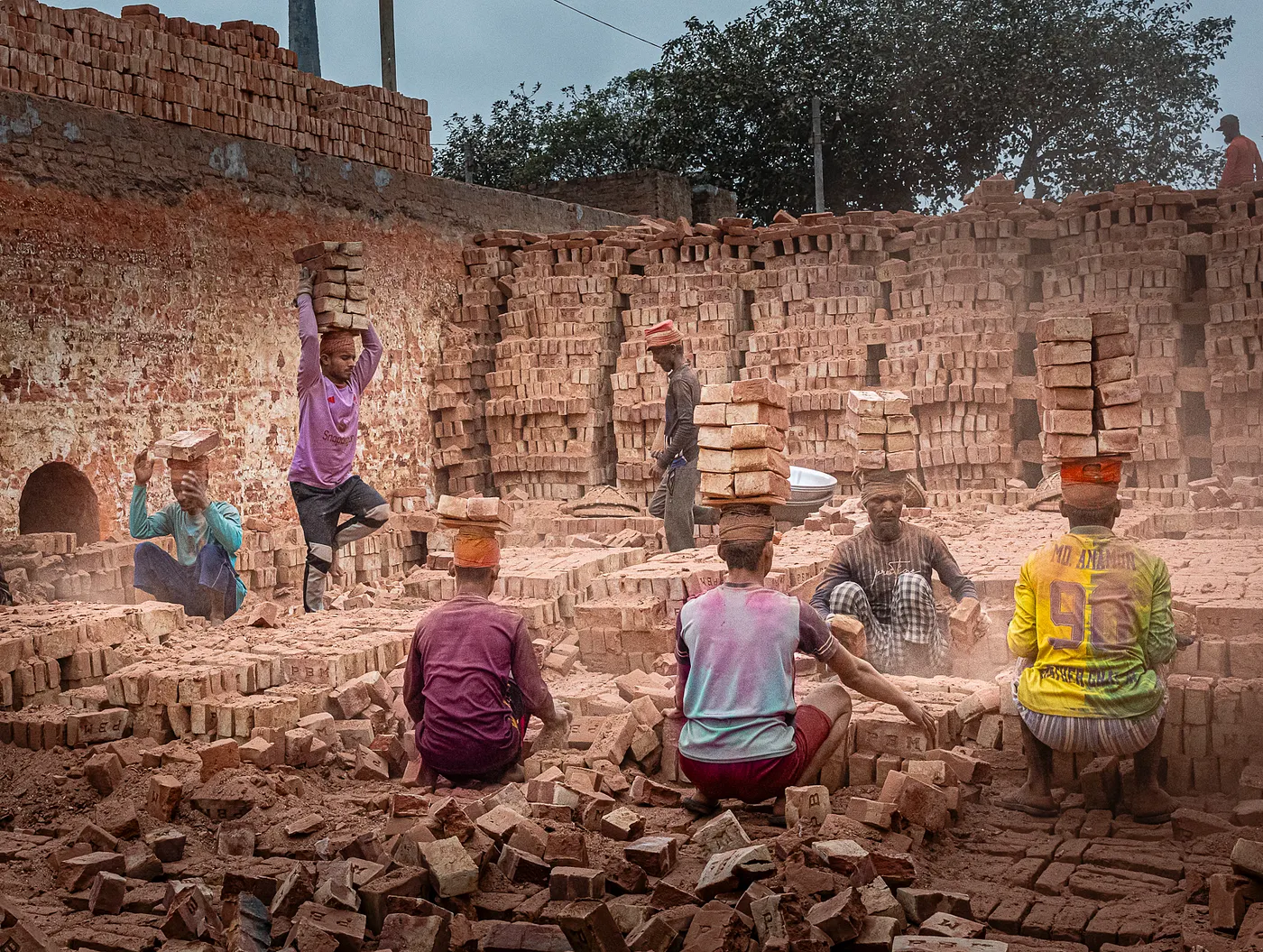
Child labor also remains an issue in Bangladesh’s brick industry. On the day I was there, however, I saw only adults working. Later, we met some of their families at the tent camps nearby.
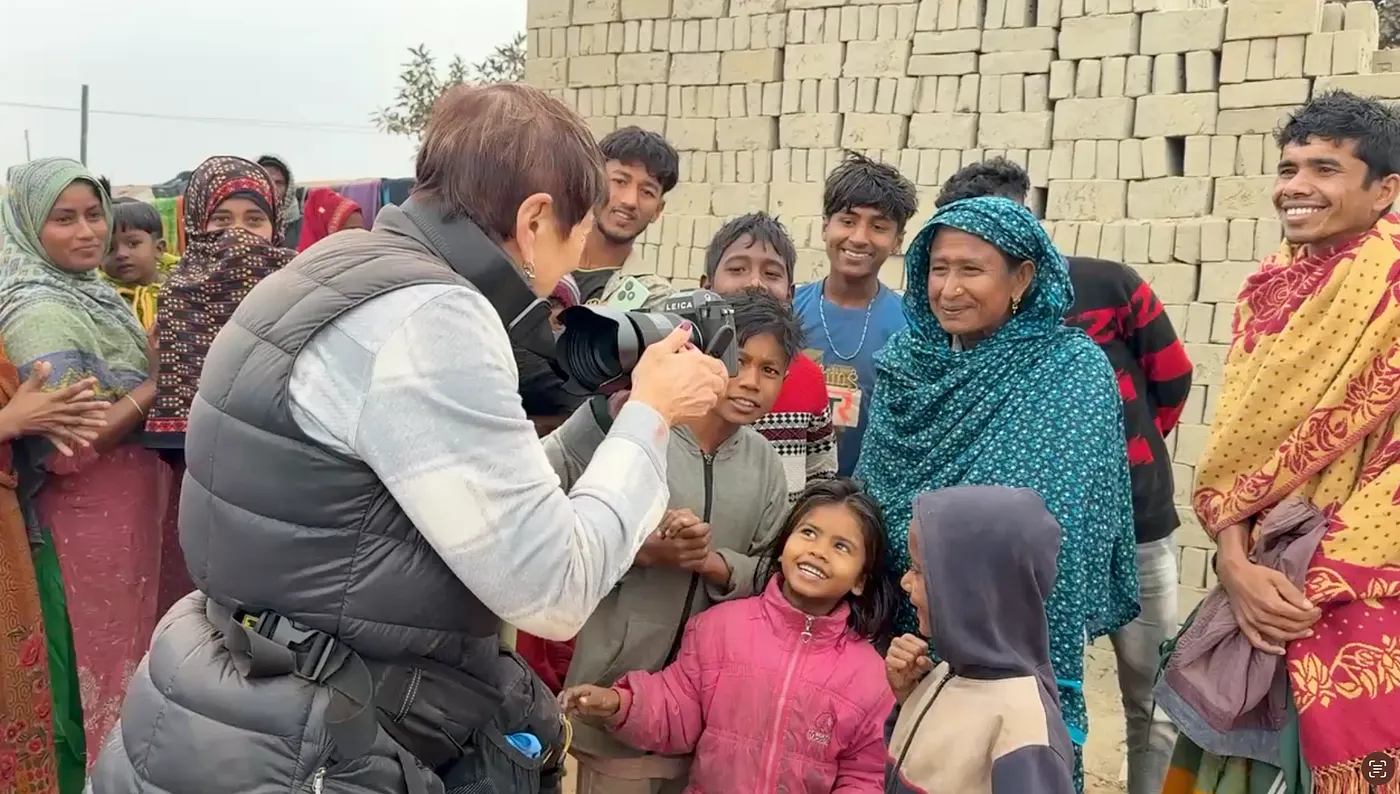
It’s always hard to know what someone really thinks when a stranger appears with a camera. Everyone greeted me respectfully and with curiosity, and they wondered why I was there. I tried to explain what I always tell people I photograph: that it is important to me to share their stories with people back home who know very little about their lives, and in this case, about the people whose labor produces something as ordinary and essential as a brick.
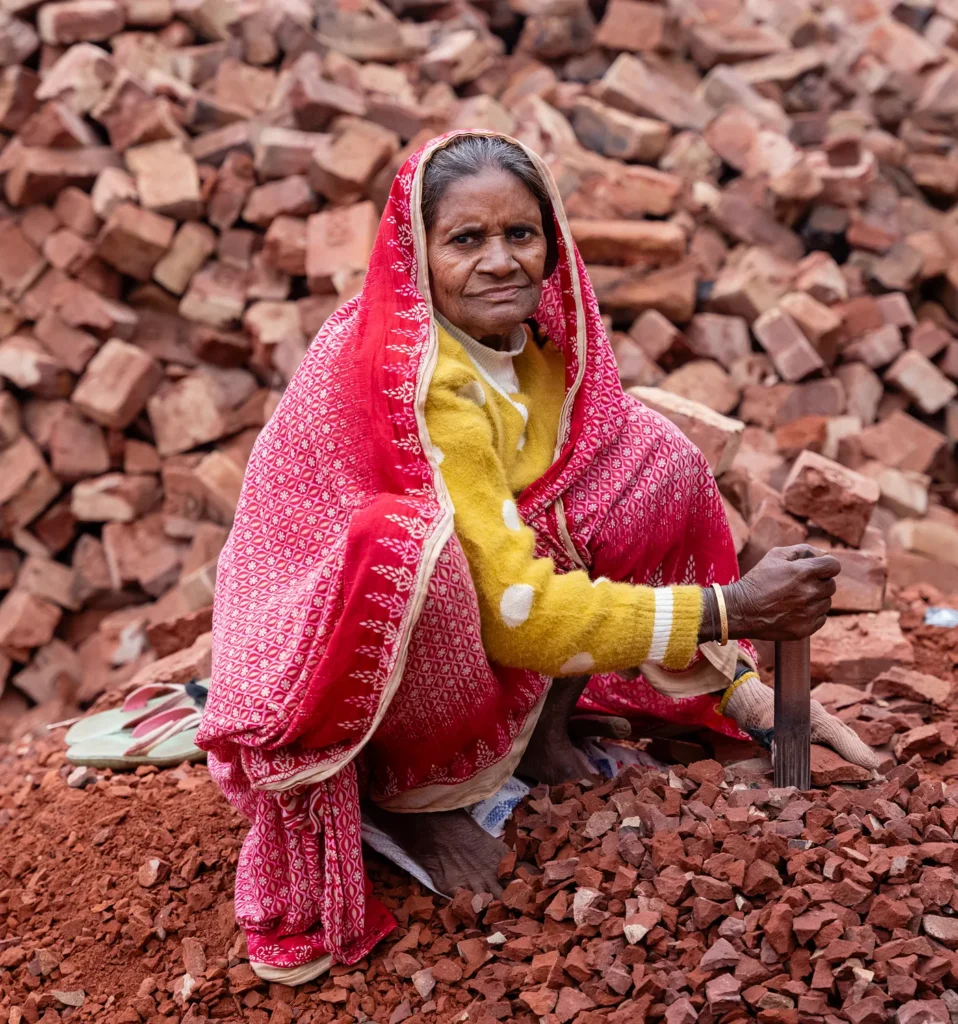
I hope my photographs show you the long, multi-step process, beginning with simple machinery in a very basic environment. You can see the sheer weight of the wet clay and the repetitive physical labor of moving and carrying bricks. You can see the older woman squatting on a bed of red rubble, pounding rejected and broken bricks into smaller pieces that can be used on roads or to fill potholes.
But what I most want my photographs to show is something more nuanced than terrible working conditions. I want to show the human labor hidden inside an ordinary building material. This is something most of us encounter daily without giving much thought to the people who made it.
Someone molds the clay. Someone moves it. Someone fires it. Someone breaks down the rejected bricks. Someone carries stacks of bricks on his head.
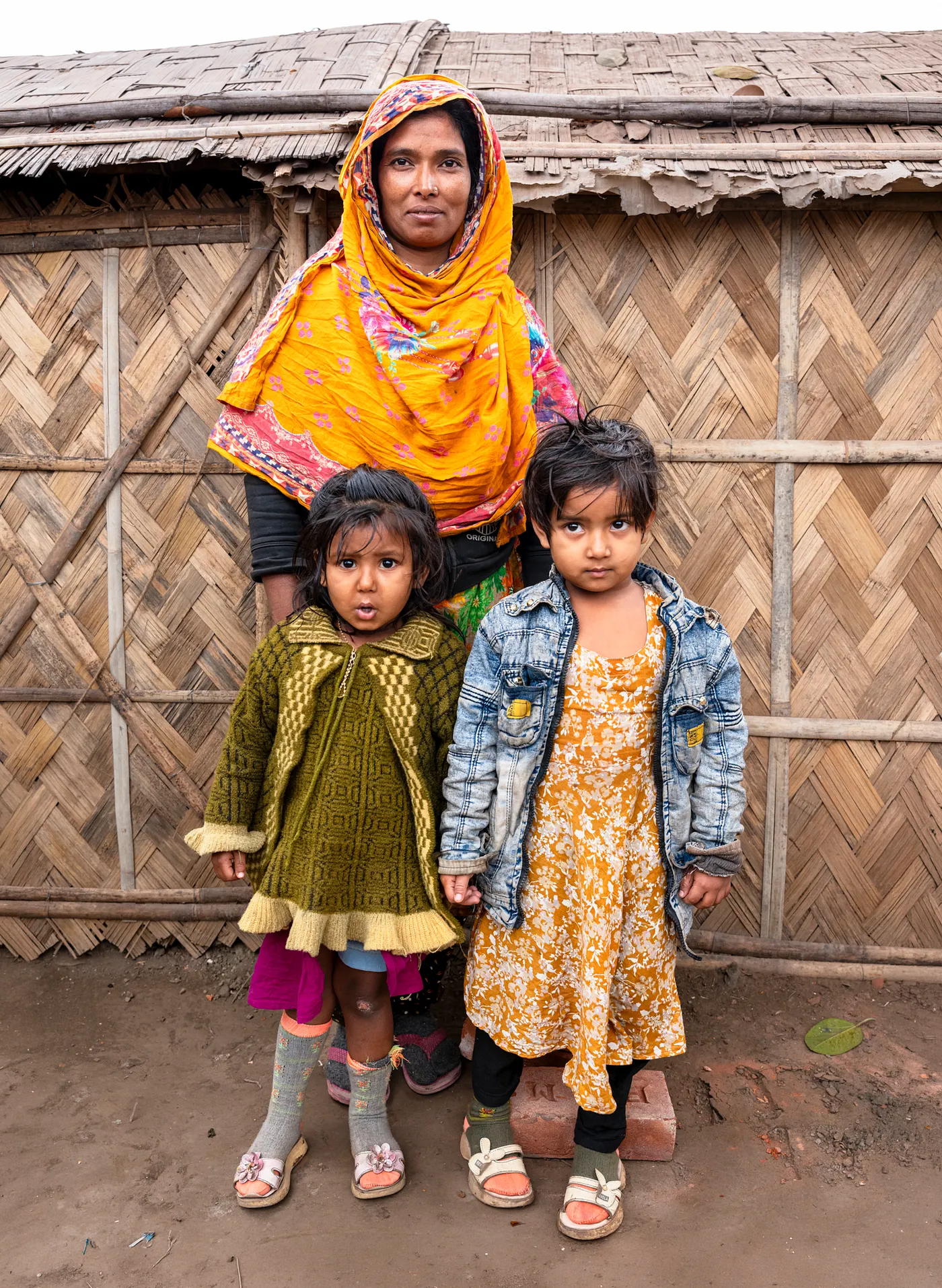
And at the end of a long day, there is a mother and her two girls waiting for someone they love to come home, tired, sore and covered in red brick dust.
Maxine Solomon
August 29, 2026 at 11:25 amGreat photos and very emotional. You are correct. Most of us livind comparative, asy lives take the back-breaking hard work that we don,’t see for granted.
Thanks for reminding me.
Maxine
Pam Perkins
August 31, 2026 at 3:36 pmDear Max, So very good to hear from you as I think of you often. Thanks so much for your comment. I hope you are well. I was so sorry to hear about Mel. He was an amazing person, whom I admired dearly.
Connie Pollard
August 29, 2026 at 1:14 pmBeautifully explained, both photos and words!
Pam Perkins
August 31, 2026 at 3:35 pmConnie, Many thanks. Good to hear from you.
Candice Stein
August 31, 2026 at 3:13 pmAmazing but I shouldn’t be surprised. Informative story and gorgeous photos. The one with the group of brick workers looks like a Dutch paining. Thanks for sharing, Pam
Pam Perkins
August 31, 2026 at 3:34 pmThanks so much, Candice. It means a lot to get your feedback.